By Solange Reyner | Saturday, 20 December 2025 02:00 PM EST
Former intelligence officer and national security analyst Col. Tony Shaffer said Saturday that recent U.S. airstrikes against ISIS targets in Syria were designed to send a broader strategic warning — not just to terrorists, but directly to Syrian President Ahmed al-Sharaa.
In an interview, Shaffer described the strikes as a calculated response following an attack that killed two American soldiers and a U.S. interpreter. According to Shaffer, the operation goes well beyond retaliation against the individuals who carried out the assault.
“This is not simply about eliminating individuals who actually participated in the attack,” Shaffer said. “This is a message to [Abu Mohammad al-Julani], the president of Syria.”
Ahmed al-Sharaa is also known by his nom de guerre Abu Mohammad al-Julani.
Shaffer argued that al-Sharaa bears responsibility for restraining ISIS activity within Syrian territory, particularly given his alleged past affiliations.
“He is supposed to be the guy who is telling ISIS, because he’s a former member of ISIS, to stop doing this stuff,” Shaffer said, underscoring what he described as a glaring failure of leadership.
The airstrikes, he explained, represent a dual-purpose strategy. On one level, they target ISIS operatives and infrastructure directly involved in planning or enabling attacks on U.S. forces. On another, they serve as a blunt warning to Damascus that Washington is prepared to escalate if Syrian leadership continues to allow ISIS to operate with impunity.
“This is a two-edged sword that we’re now using,” Shaffer said. “We’re going to go after the tactical targets as well as send a strategic message.”
That message, he added, is unmistakable: The United States will hold both terrorists and the governments that enable them accountable.
Shaffer suggested the strikes mark a shift toward a more assertive posture in the region, particularly as ISIS attempts to regroup amid ongoing instability in Syria.
Shaffer also warned that the operation is unlikely to be a one-off. “I don’t think we’re done,” he said, signaling that further military action could follow if attacks against U.S. personnel continue.
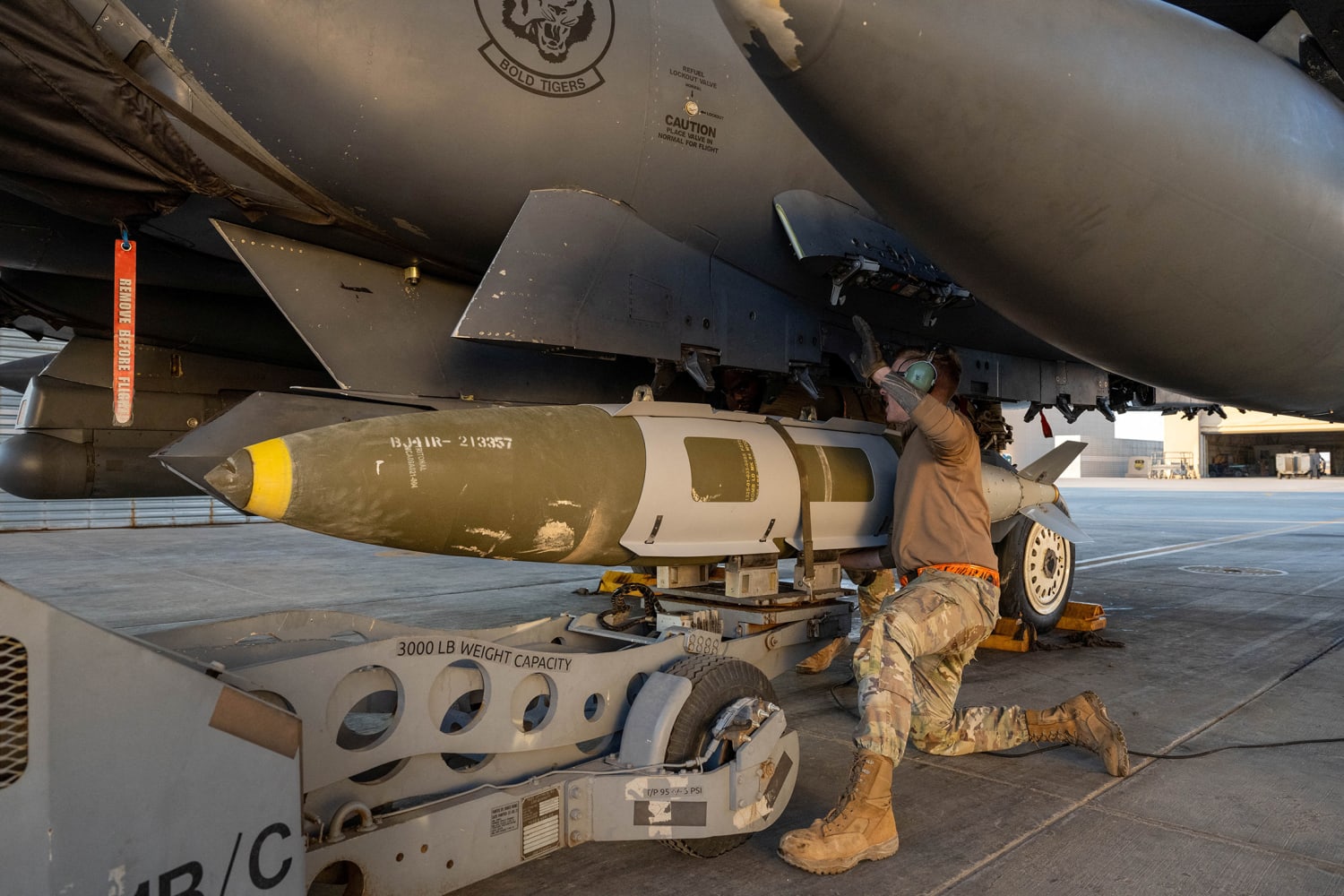
The Pentagon confirmed Saturday that the airstrikes were carried out in response to the deadly attack and emphasized that the United States retains the right to defend its forces wherever they are deployed.
While officials have not publicly detailed the full scope of the operation, Shaffer’s assessment suggests the administration is aiming to reestablish deterrence — both on the battlefield and in the halls of power in Damascus.