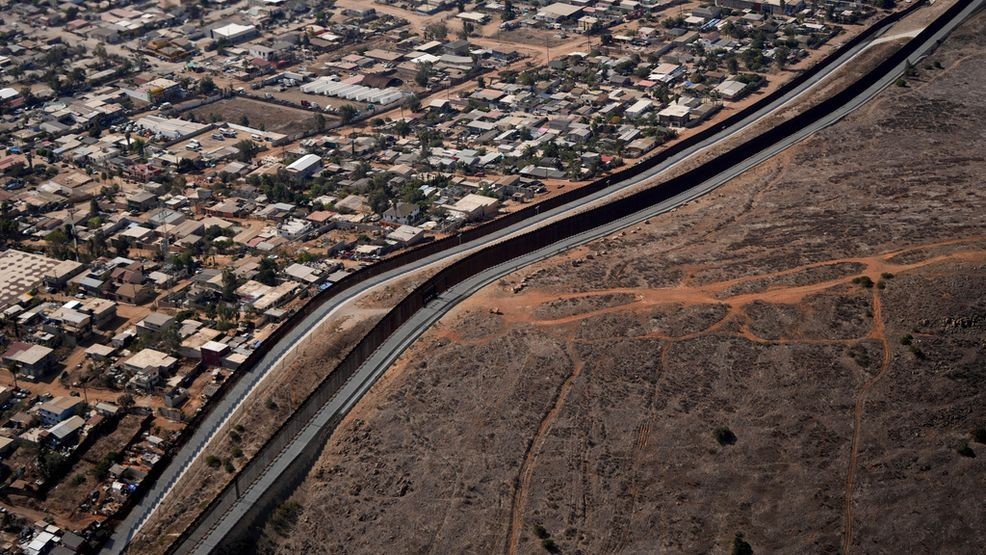
Interior Secretary Doug Burgum announced on Friday that the Department of the Interior will transfer approximately 760 acres of federal land in Southern California to the U.S. Navy as part of a three-year initiative aimed at closing longstanding border security gaps and granting military personnel stronger authority to deter illegal crossings.
The land, spanning portions of San Diego and Imperial counties, will be designated as a national defense area under the new arrangement. Burgum stated that individuals crossing the border onto these lands would enter a military installation, expanding troops’ ability to detain and secure those attempting unauthorized entries.
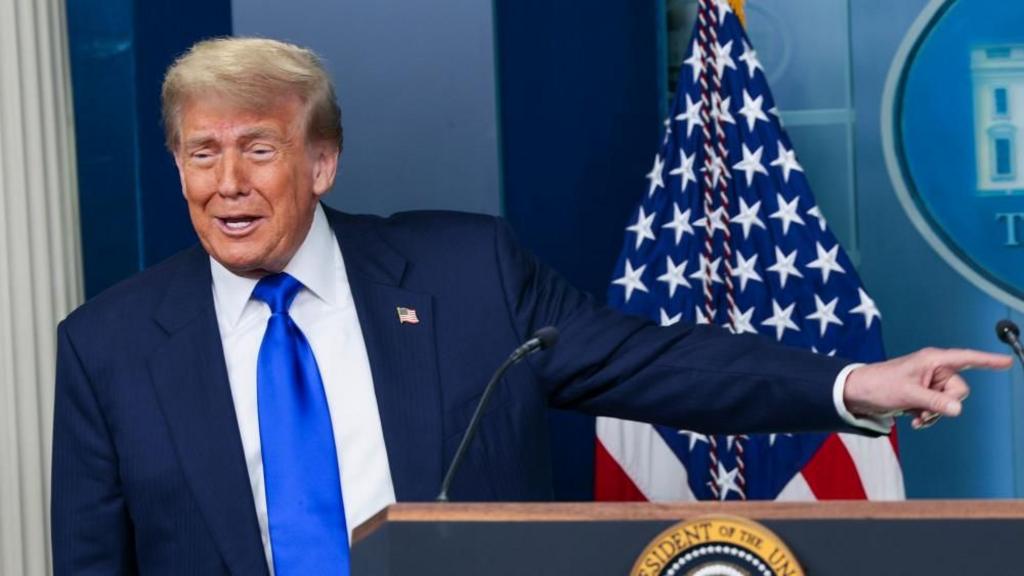
Burgum credited President Donald Trump for prioritizing border security and pointed to historical precedent dating back more than a century. “We have two presidents to thank,” he said during an interview with Newsmax. “One is President Trump, who’s protecting our border. The other is President Theodore Roosevelt.”
The Interior Secretary referenced President Roosevelt’s 1907 actions, which anticipated that the southwestern border could become a hub for illegal smuggling and established legal mechanisms still in use today. Burgum noted that the Department of the Interior manages approximately 41% of the land along the southwestern U.S. border from the Gulf of Mexico to the Pacific Ocean.
Under the initiative, the Navy will determine whether to deploy reservists or active-duty personnel while coordinating closely with agencies involved in border operations. “Interior has been a partner with all of them because of this tremendous amount of land we have on our side of the border,” Burgum added.
The announcement follows similar measures implemented in New Mexico during the Trump administration, with Southern California selected due to high cross-border traffic near the Pacific coast.
Burgum also highlighted declining gas prices nationwide as a result of President Trump’s energy policies, contrasting them with higher costs in states pursuing aggressive climate mandates. He cited California’s shift from 40 refineries to eight as contributing to its increased reliance on imported oil and refined gasoline, warning that such dependency poses national security risks given the state’s large number of internal combustion vehicles.
Looking ahead, Burgum identified unlocking the value of public lands as his top priority for 2026, emphasizing the need to responsibly manage approximately 500 million acres of surface land and vast mineral resources. He criticized previous administrations for restrictions that hindered energy development and resource extraction, stating current policies under President Trump are yielding “tangible benefits” for Americans.