Early Wednesday morning, Indiana conservatives described the outcome of Tuesday’s Republican state Senate primaries as “historic” and “game-changing.”
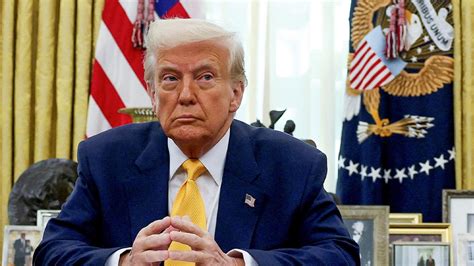
After seven Republican senators voted to block a proposed redrawing of Indiana’s U.S. House districts to increase GOP ranks, President Donald Trump endorsed their opponents in the primary contest. No less than five of the Trump-backed challengers unseated incumbents. As of Wednesday, one incumbent senator who defied the president—Sen. Greg Goode of Terre Haute—had staved off Trump-supported challenger Brenda Wilson.
In the seventh contest, Sen. Spencer Deery of Tippecanoe County, a former top aide to former Indiana Gov. Mitch Daniels during his tenure as Purdue University president, held a lead of three votes over the Trump-backed Paula Copenhaver. A recount was almost certain.
Attorney and veteran conservative leader Jim Bopp characterized the outcome as “an establishment bloodbath,” noting it is very rare for a Republican state senator to be defeated in a primary here. A local historian noted that only two GOP senators have been defeated in primaries over the past forty years.
Deery added that Trump’s role in unseating five and possibly more incumbent senators was “nothing short of historic.” Jim Pfaff, a Hoosier and president of the national Conservative Caucus, stated: “[Indiana’s GOP Senator] Jim Banks really took a leadership role in helping Trump [unseat opponents of redistricting] and is solidifying himself as leader of Indiana’s conservative base.” Pfaff noted that Banks raised considerable funds for two political action committees supporting Trump-endorsed challengers.
State Senate President Rod Bray also played a significant part in the defeat of the “Trump Seven,” having raised substantial funds for the Senate Majority Campaign Committee to support challengers. Since the new senators will not be sworn in until next January, the outcome of the primaries will not affect Indiana’s U.S. House districts until 2027. However, with encouragement from the president and Republican Gov. Mike Braun, the next legislature might redraw congressional lines next year.