President Donald Trump has urged Israel to limit its military operations in Lebanon to “surgical” strikes, warning that broader escalation could derail ceasefire efforts.
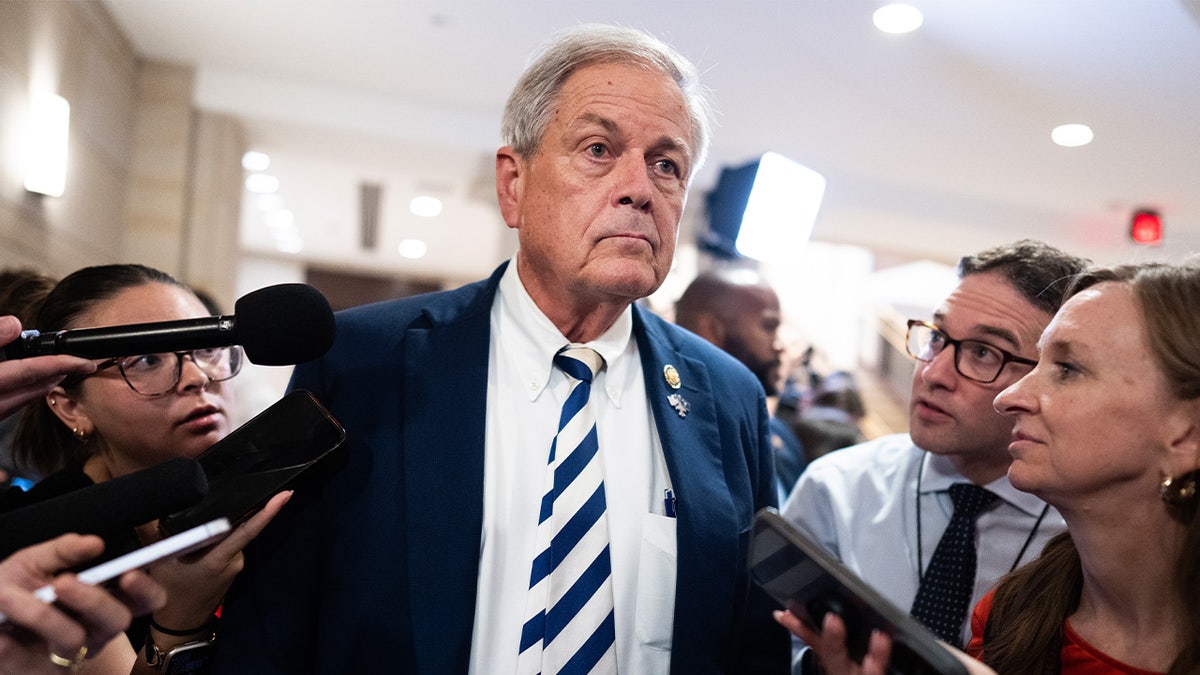
In a recent call with Israeli officials, Trump emphasized the need for precision: “I told Netanyahu he has got to do it more surgically. Not knock down buildings. He can’t do it. It is too terrible and makes Israel look bad.”
The remarks follow a U.S.-brokered ceasefire between Israel and Hezbollah that is only partially holding, with each side engaging in frequent attacks. Israeli forces continue operations in southern Lebanon while Hezbollah has launched rockets and drones at Israeli troops and border communities.
Israeli officials have signaled growing frustration with U.S. pressure for restraint and are pushing for a wider campaign if diplomatic efforts fail. According to Channel 12, Israel has asked Washington to limit its diplomatic engagement with Lebanon to a “2–3 week timeframe,” warning that continued Hezbollah attacks are eroding Israeli deterrence.
Should no agreement be reached by mid-May, Israel is expected to seek Trump’s approval for an expanded military offensive.
Meanwhile, the U.S. administration is urging caution, emphasizing the need to “show restraint” and allow space for negotiations. U.S. officials argue that Hezbollah is attempting to “provoke, attack, and then blame Israel” to derail talks while Washington increases pressure on both Hezbollah and the Lebanese government.
Regional tensions are also escalating beyond Lebanon. On Wednesday, the Israeli navy intercepted the Global Sumud Flotilla—a large international aid convoy attempting to breach Israel’s naval blockade of the Gaza Strip in waters near Greece. Activists and Israeli media reports state that Israeli forces boarded vessels using “lasers and semi-automatic assault weapons,” jammed communications, and ordered passengers to return to port.
Israeli officials defended the operation, with Defense Minister Israel Katz imposing sanctions on the flotilla’s fundraising, alleging ties to Hamas.
These developments highlight mounting pressure on U.S. diplomacy as it seeks to prevent a broader regional conflict. A renewed war in Lebanon, coupled with tensions over Gaza and negotiations involving Iran, could further complicate efforts to stabilize the region.