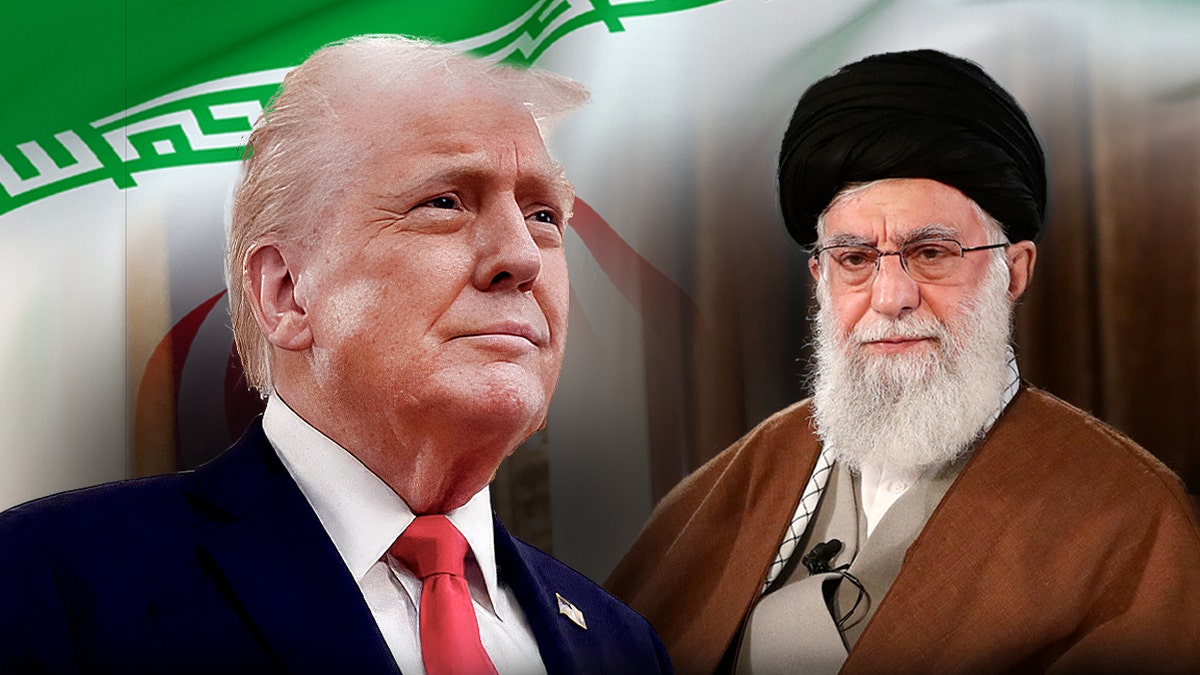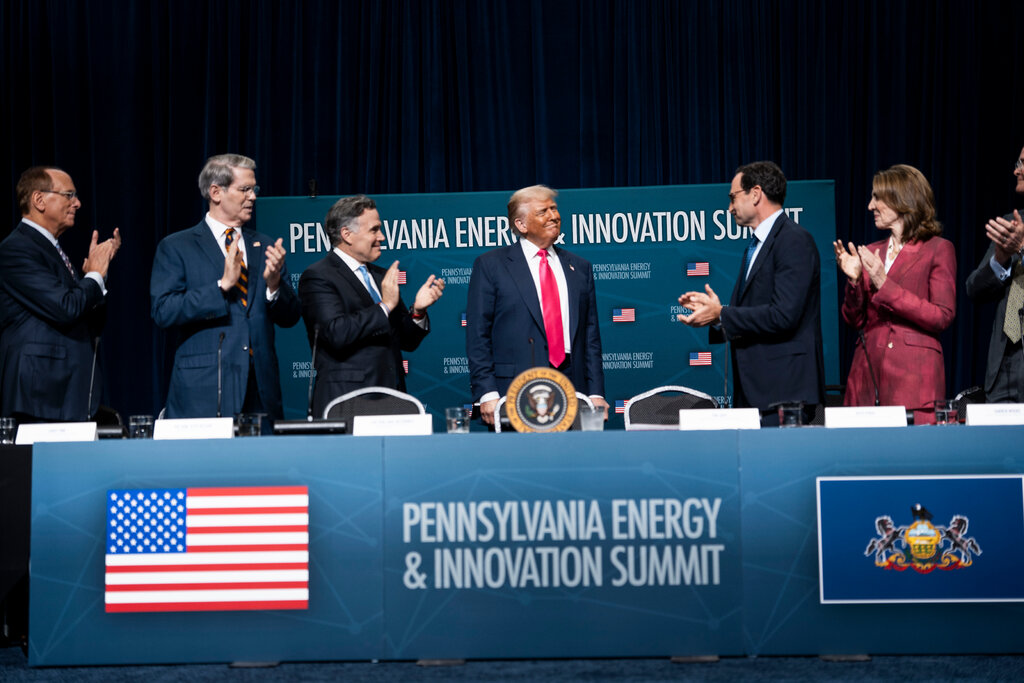
President Donald Trump met with top oil and gas executives on Tuesday to address the impact of the ongoing Middle East conflict involving Iran.
The White House gathering brought together Chevron CEO Mike Wirth and senior administration officials including chief of staff Susie Wiles, Treasury Secretary Scott Bessent, and advisers Steve Witkoff and Jared Kushner.
This high-level discussion underscores the severe economic repercussions of the Iran crisis, which has significantly disrupted global oil supplies. The Strait of Hormuz—a critical shipping lane for international energy—has been largely blocked, causing crude oil prices to reach multi-year highs and driving up gasoline costs for American consumers. Average U.S. gas prices have now surpassed $4 per gallon, a level not seen since 2022.
For Trump, the meeting reflects his direct involvement in managing the crisis’s domestic consequences. A White House official stated that the president consistently consults with energy executives to monitor market conditions and guide policies related to production, exports, and pricing.
The administration has implemented regulatory measures to alleviate shipping bottlenecks and mitigate price spikes. However, global supply shocks limit the scope of potential solutions.
Trump criticized Iran’s leadership on Wednesday morning, writing on Truth Social: “Iran can’t get their act together. They don’t know how to sign a nonnuclear deal. They better get smart soon!” The statement highlights ongoing frustration with Tehran’s position.
Analysts describe the current phase of the Iran conflict as having Cold War characteristics, defined by economic pressure, military posturing, and stalled diplomacy. Despite these tensions, the administration maintains that its strategy combining military strength and economic leverage is achieving results.
Iran’s economy continues to face pressures from sanctions and reduced oil exports, while global markets experience widespread effects from the supply crisis.