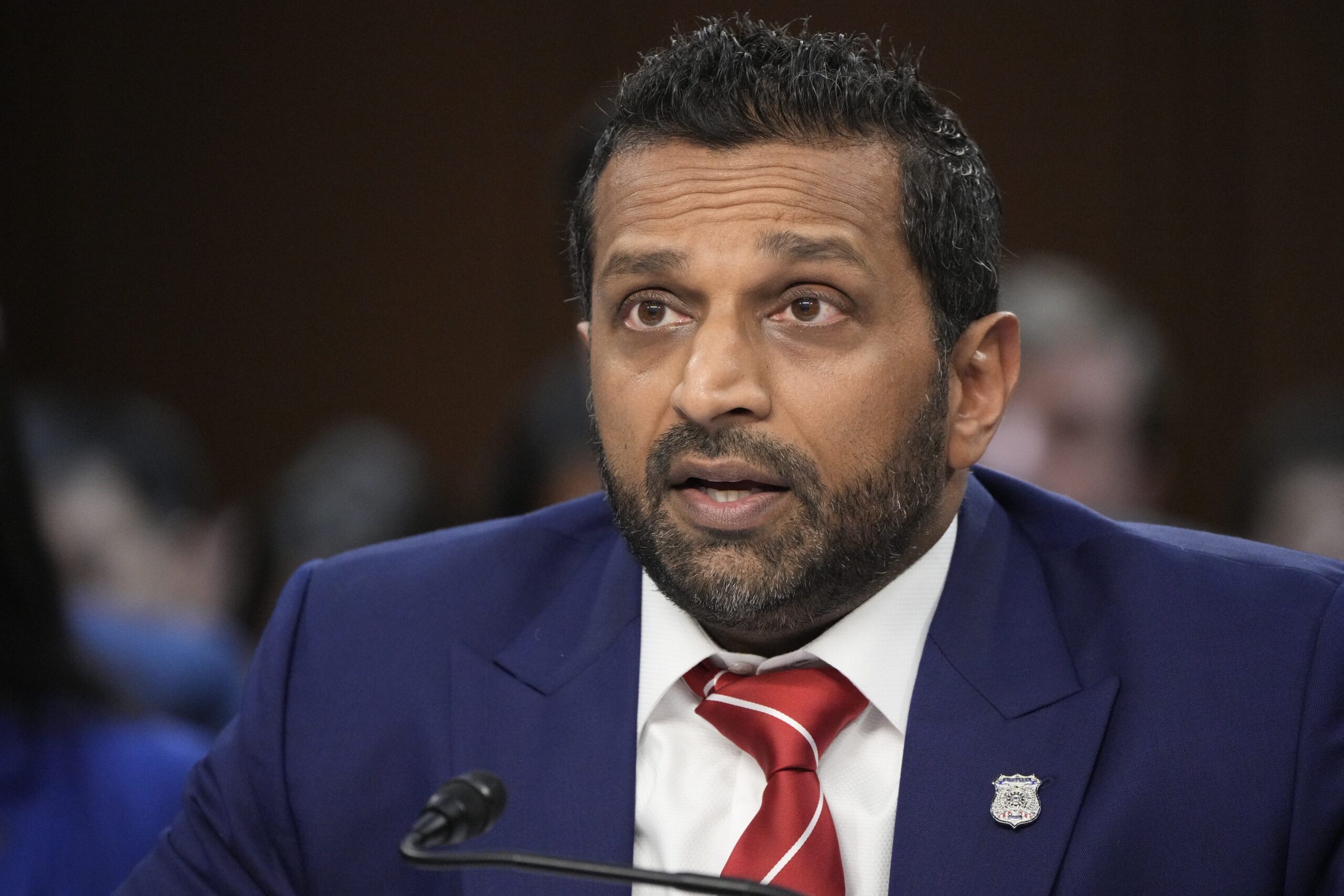
Kash Patel, the FBI director, stated that the bureau spent “nearly a year” investigating former FBI Director James Comey’s Instagram post, which ultimately resulted in his indictment. Patel described the probe as a methodical review conducted by career agents and prosecutors.
The investigation centered on Comey’s May 2025 Instagram post showing seashells arranged to read “86 47,” which prosecutors have interpreted as a coded threat against President Donald Trump, the 47th president. Patel noted that such sensitive threat investigations routinely require extended review before charges are brought.
“These cases take time,” Patel said, adding that the investigation moved through standard channels and was handled by career FBI personnel rather than political leadership.
Acting Attorney General Todd Blanche stated that the indictment reflects a straightforward application of federal law prohibiting threats against the president. Blanche emphasized that prosecutors would need to prove intent at trial but argued the statute is clear that threats against the president are not protected speech, and a grand jury had already found sufficient evidence to proceed.
In response to the indictment, Comey posted a video message saying “Well, they’re back,” which he described as a reference to renewed legal action. Comey expressed confidence in the court system and claimed his post was meant as political commentary rather than a threat. He also stated that he removed the post after realizing it could be misinterpreted.
Comey’s legal team is expected to mount a First Amendment defense, arguing that the government is criminalizing ambiguous political speech rather than a true threat.
The case remains at the indictment phase with no conviction or sentencing determined. This development marks a renewed legal escalation involving Comey and Trump-era Justice Department officials, setting up a high-profile fight over intent standards and the boundaries between protected speech and criminal threats.
Blanche stated: “It’s not a very difficult line to look at. And it’s not, in my mind, a difficult line for one to cross over one way or the other. You are not allowed to threaten the president of the United States of America. That’s not my decision. That’s Congress’ decision in a statute that they passed that we charge multiple times a year.”