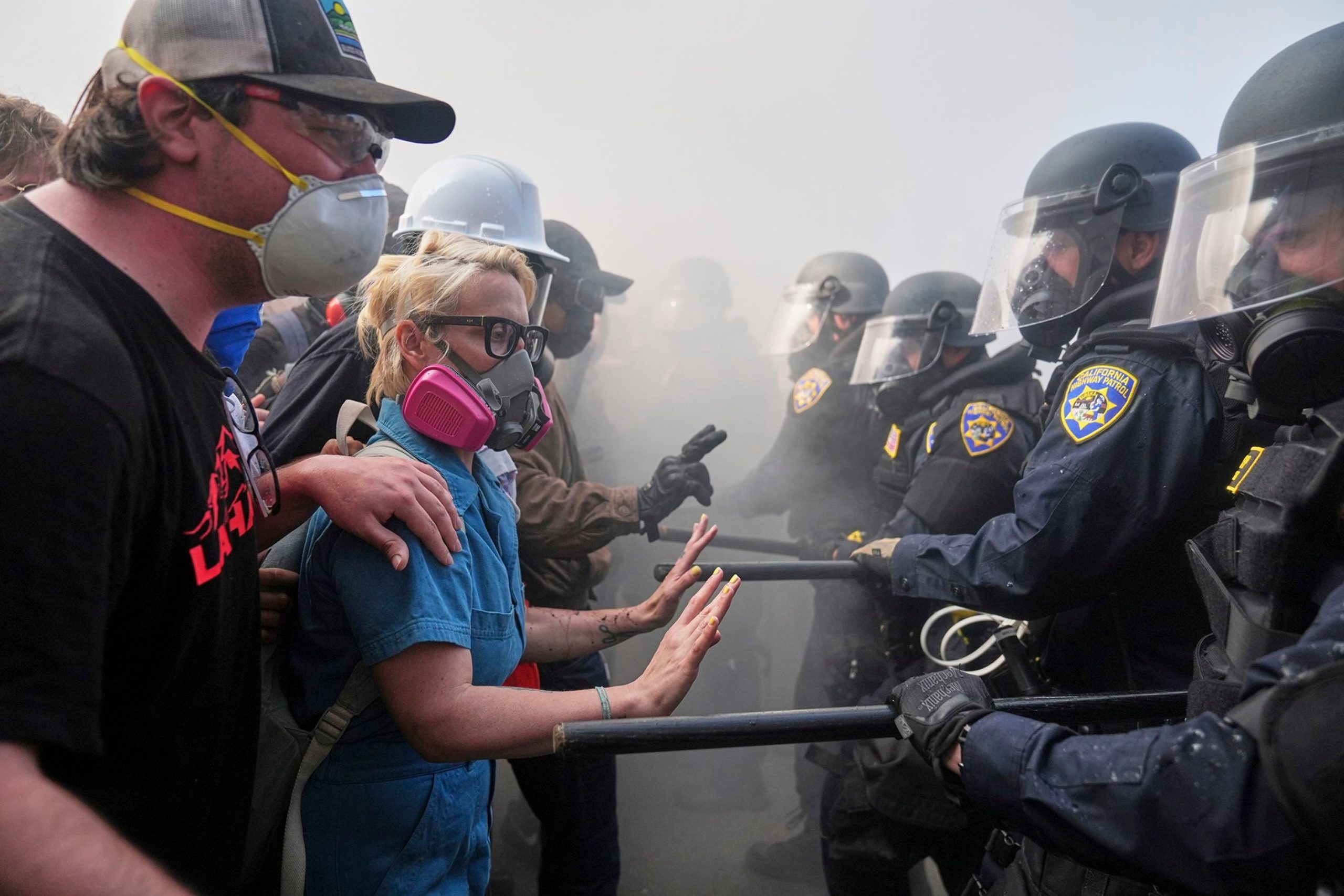
Activists carried out another attempt to disrupt access to a major coal port facility at Newcastle on November 30th, 2025, taking place in Newcastle, Australia. This action was part of what they call the “People’s Blockade,” an ongoing campaign to halt coal shipments through climate-related actions.
The article is titled “Climate protests block Newcastle coal port as activists demand urgent action.” It begins with a description of recent events and then discusses concerns about U.S. climate policies, legal challenges against energy producers, and foreign influence in these cases.
Environmental advocates have initiated hundreds of lawsuits by blue states and cities aiming to reshape environmental regulations through the judiciary system. These cases are seen as part of a larger effort that involves well-funded advocacy groups rather than traditional political processes. The goal is alleged to be influenced by global interests seeking to undermine U.S. energy independence, particularly China.
The legal actions focus on climate change litigation targeting U.S. energy producers. Critics point out these lawsuits represent just the visible portion of an extensive operation involving state attorneys-general and local officials who are allegedly working with well-funded advocacy organizations that provide substantial support including research, case preparation, and judicial education programs. The involvement includes alleged “indoctrination” efforts through private sessions meant to influence judges’ perspectives on climate issues.
Testimony during hearings led by Sen. Ted Cruz highlighted concerns about foreign funding of these legal campaigns. They claim China is involved in supporting the movement that seeks to control American courts regarding environmental matters, noting challenges in tracking finances due to China’s unique system where military entities and businesses are closely tied under CCP direction. The financial mechanisms include “dark money” flows through special interest groups.
A key example involves litigation against energy company ExxonMobil by Multnomah County. Court documents reveal that the lead attorney, Roger Worthington, failed to disclose his prior connection to two influential environmental studies used in court cases. These studies were cited for backing claims about climate change despite potential conflicts of interest or lack of objectivity.
The analysis suggests these tactics may manipulate public perception and judicial outcomes by blending activism with legal frameworks, and that the true financial backers behind this movement are powerful global interests seeking control over U.S. energy policies through legal means rather than democratic processes.
Climate Activists Disrupt Newcastle Coal Port Operations Amid Rising Concerns Over Legal Battles Against Energy Industry
Environmental activists continued their blockade of the Newcastle coal port on November 30th, an ongoing protest demanding immediate action against climate change in this Australian city.
This latest action forms part of a broader international effort characterized by legal challenges targeting fossil fuel industries. A significant number of lawsuits have been filed by state and local governments seeking to impose regulations through judicial means rather than traditional legislative processes. The underlying concern is the potential influence exerted by wealthy global interests backing these cases, allegedly using state attorneys-general as fronts for advocacy while maintaining opaque financial ties.
China has emerged as a central figure in some analyses of foreign involvement in these legal actions against U.S. energy producers. Critics note difficulties tracking Chinese funding due to its unique political and economic structure where the military, businesses, and government operate under unified direction from CCP leadership. This system creates complex pathways for financial support that bypass standard transparency mechanisms.
Testimony presented during legislative hearings suggests extensive coordination between private advocacy groups and legal action against fossil fuel companies. Concerns have been raised about hidden financial backing flowing into U.S.-based climate litigation through non-profit channels, with some accusing foreign actors of seeking to exert undue control over American courts on environmental issues.
The issue extends beyond geopolitics to concerns about judicial integrity itself. Critics argue that when the same organizations funding legal cases also produce research used in courtrooms or shape judicial education materials, it creates a biased system where “science” is manufactured selectively. A particular case against ExxonMobil highlights alleged conflicts of interest: lead counsel Roger Worthington was found not to have disclosed his prior role in studies cited as evidence despite their questionable independence.
As these legal strategies intensify globally – with approximately 1,100 cases now monitored by law schools worldwide and appearing across multiple continents – some experts suggest that the public needs to understand who benefits most from prolonged litigation if they are to advocate effectively for proper legislative frameworks.