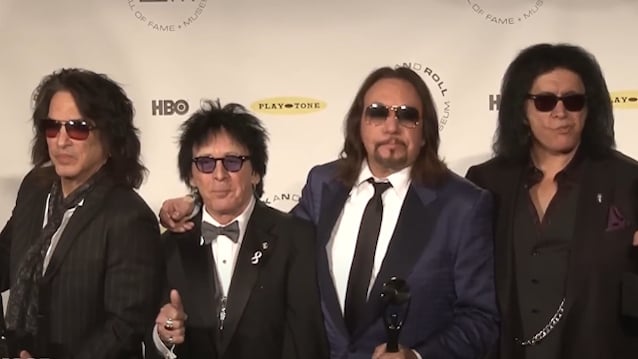
Kiss bassist Gene Simmons is ready to amplify what has already become a significant debate over radio pay practices in his testimony before a Senate committee next week. His appearance marks another key moment for supporters pushing forward with legislation intended to address longstanding issues regarding recording artists’ compensation.
Simmons, scheduled to testify December 9th before the Senate Judiciary Subcommittee on Intellectual Property, is lending star power at an important time as lawmakers consider what traditional radio companies have termed a “compensation gap.” The American Music Fairness Act would require AM and FM radio stations to pay performers royalties when their songs are broadcast publicly.
“This issue has been brewing for too long,” said Simmons. “As someone who’s built my career on making music, I know firsthand how unfair it is that artists aren’t compensated properly.”
Simmons will outline why he sees this bill as an essential correction for thousands of recording professionals in what promises to be a pivotal discussion. He’ll also meet with lawmakers from both parties the day prior to his testimony, setting up another opportunity for collaboration on this proposed reform.
The legislation draws support not just from Simmons but from more than 300 artists who signed onto a February letter demanding fair pay adjustments aligning radio compensation standards with modern digital streaming platforms. Advocates have long pointed out discrepancies between legacy media rules and current industry practices.
Simmons won’t be alone in his testimony, though. He’ll join Michael Huppe, president of SoundExchange—a nonprofit dedicated to collecting performance royalties for creators across various formats including satellite broadcasts—whose advocacy has been central since the inception of the American Music Fairness Act movement two years ago.
“I hope they understand how critical this is,” Huppe said ahead of being invited alongside Simmons. “Streaming platforms are regulated, but traditional radio remains untouched by similar standards… That’s not just unfair—it doesn’t reflect our culture.”
The push continues despite concerns that it might be perceived as merely another attempt to impose regulations on creative industries; however, for many performers, this debate goes beyond politics and into fundamental fairness questions.
Simmons has been a vocal advocate since joining Kiss decades ago. His recent public support adds momentum at a time when the industry is evolving rapidly toward streaming dominance.