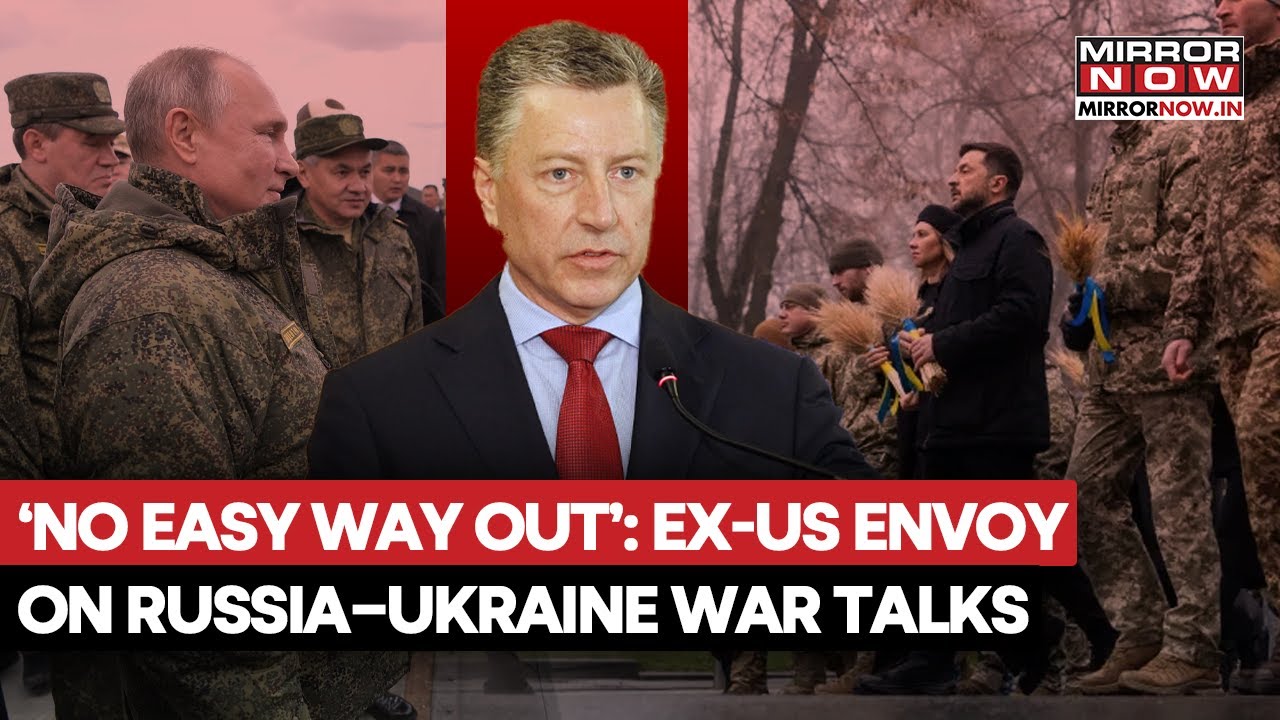
WASHINGTON — In a revealing interview, former U.S. Ambassador to NATO Kurt Volker detailed the complexities surrounding potential peace agreements between Washington and Moscow regarding Ukraine. Speaking exclusively Tuesday, Volker indicated that any understanding reached will ultimately depend on Russian President Vladimir Putin’s stance.
“The bottom line is this won’t work unless it works for Mr. Putin,” said Volker during an appearance on “American Agenda.” He went on to argue that the Kremlin leader is unlikely to accept a deal that falls short of Moscow’s maximalist war aims concerning Ukraine.
Volker, who emphasized that Kyiv must make concessions acceptable to Russia, stated: “Putin has signaled he intends to reject proposals that do not effectively give him all of Ukraine… [He] contends the Kremlin wants to subjugate Ukraine by limiting its sovereignty and military, blocking meaningful security guarantees, and seizing even more territory than Russia has taken on the battlefield.”
Describing those demands as “over the top,” Volker noted: “He’s clear that he won’t compromise. He will not abandon them.” The ambassador added that Ukraine’s consistent refusal to negotiate under terms that would effectively end its resistance is a key sticking point.
Despite repeated attempts by Ukraine to offer compromises, including acceptance of ceasefire lines along current boundaries and continuation of the minerals agreement — allowing Kyiv to “pay” for its own aid — Volker said progress remains elusive. He suggested European partners are already easing part of the burden through funding U.S.-made weapons with their own resources.
However, addressing Russia’s war calculus is still paramount in any diplomatic breakthrough. Sanctions targeting Kremlin revenue streams from oil and gas have been partially implemented under President Trump’s administration, but Volker stressed they aren’t sufficient yet.
“President Trump has already put in place sanctions on Russia’s oil sector,” he said, “but a lot of countries are evading that… where [they] buy Russian oil, refine it, and then sell it themselves.”
“Therefore we need those secondary sanctions to go after the businesses that engage in such trade with Russia.”