By Larry Bell
According to the American Farm Bureau Federation (AFBF), the average price of a 16-pound turkey has dropped significantly this Thanksgiving season, settling at approximately $21.50. This represents an encouraging decrease from last year’s rate and aligns with broader trends in food costs during the festive period.
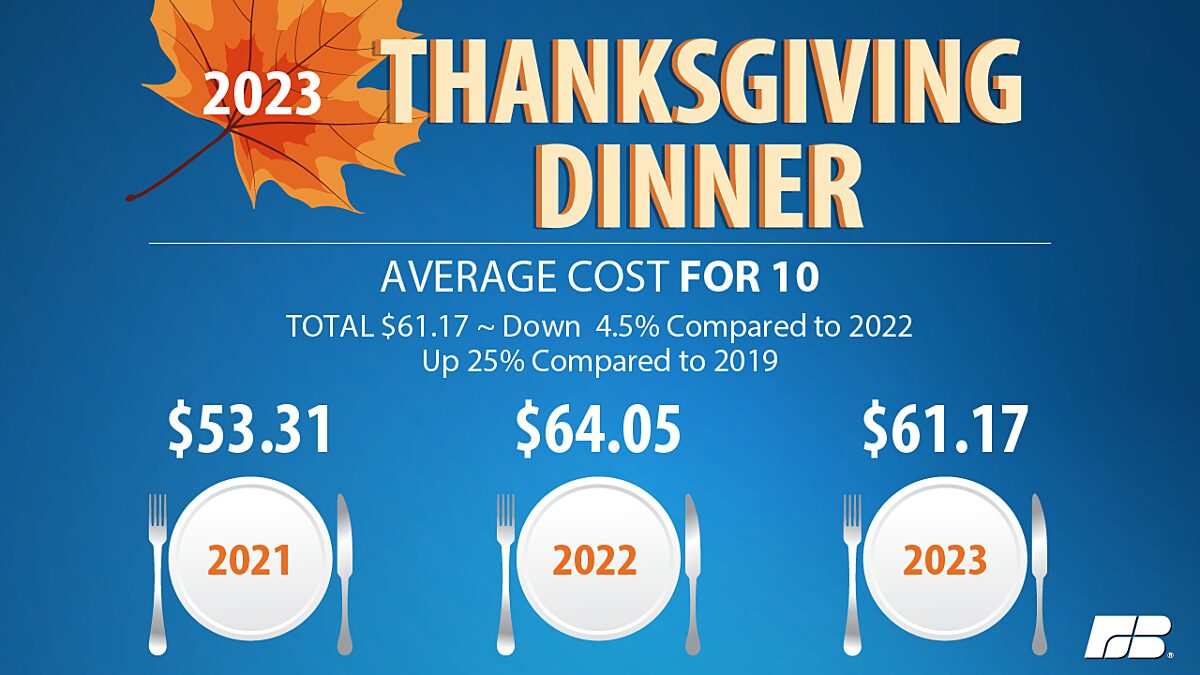
The farm group’s survey estimates that preparing a typical Thanksgiving meal for ten people will cost around $55.18 on average, or roughly $5.52 per person – down 5% compared to the same time last year. Beyond turkeys, other traditional items have seen price reductions: stuffing by 9%, dinner rolls by 14.6%, and pumpkin pie crusts are among the notable cost decreases.
However, certain fresh produce prices remain elevated despite this overall relief at the table. Sweet potatoes saw a nearly 38% increase in cost compared to last year, while celery and carrots climbed by about 60%. Nevertheless, these items are relatively inexpensive components of Thanksgiving meals, making their price impact less significant for many households.
The USDA also reports lower average nationwide costs for whole frozen turkeys, down roughly 20-22% year-over-year. Even these official figures might slightly overstate affordability, as retailers like Walmart offer complete Thanksgiving meal baskets at prices about 25% lower than last year, Target provides full meals for four people under $20, and discount stores Lidl and Aldi boast promotional markdowns pushing per-person costs to between $3.60-$4.
Turning our attention from the dinner plate to broader economic realities, affordability has become a central concern heading into what will likely be pivotal mid-term elections in 2026. True purchasing power requires accessible goods that maintain quality and value necessary for sustaining life standards. It suffers when essential products become scarce or devalued currency drives up prices.
This situation reflects the ongoing impact of recent economic policies. While tariffs on Chinese imports caused some price increases, overall inflation during President Trump’s first term remained relatively contained at just 1.2% in 2020 – partly due to pandemic slowdowns and policies like broad energy deregulation and tax reforms that boosted consumer spending.
The tide began to turn higher when the Biden administration took office in 2021, with inflation surging as high as nearly 9.1%. The Consumer Price Index (CPI) has climbed steeply since then, reaching a peak of approximately 17% by late 2025 – meaning the typical family now spends over $15,000 more annually on goods and services than just four years prior.
Restoring economic balance is now underway under renewed policies. Efforts to cut regulations aim to stimulate production costs, while commitments from companies like Pfizer to price drugs according to “Most Favored Nation” principles offer hope for consumers nationwide.