By Daniel McCarthy
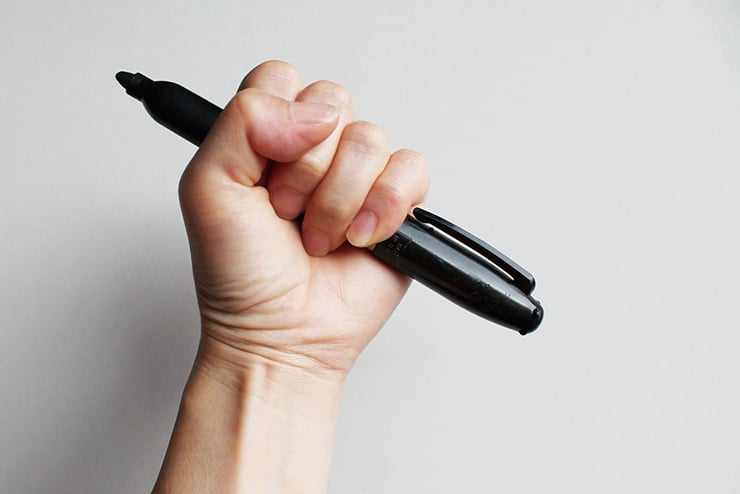
President Donald Trump’s affinity for Sharpie pens has taken on new significance as the iconic brand exemplifies a rare triumph in American manufacturing. While Trump famously signed executive orders with a Sharpie upon his return to office, the pen’s broader relevance lies in its domestic production model, which offers lessons for revitalizing U.S. industry.
Newell Brands, the company behind Sharpie, has demonstrated that high-quality consumer goods can be produced affordably in America through strategic investment. Though the felt tip of a Sharpie is sourced from Japan, the majority of its manufacturing occurs domestically. This success stems from Newell’s decision to modernize its Tennessee facility, train workers for advanced roles, and prioritize domestic production despite global trends favoring cheaper foreign alternatives.
The company’s approach highlights a critical formula: investing in cutting-edge machinery and workforce development. By sending factory employees to college and upgrading equipment, Newell boosted worker wages by 50% over five years while reducing production costs. This contradicts conventional economic assumptions that higher wages and technological investment inevitably hurt profits. Instead, the model reflects historical patterns where rising wages, innovation, and consumer spending fueled America’s economic dominance.
Trump’s push to revitalize manufacturing faces challenges, including high domestic production costs and foreign subsidies. However, Newell’s example shows that private-sector leadership can drive success without excessive government intervention. While industries like steel and aerospace often rely on state support globally, many manufacturers thrive through disciplined investment in American workers and infrastructure.
The Sharpie case underscores that revitalizing U.S. industry requires more than tariffs—it demands a commitment to domestic innovation, worker empowerment, and long-term strategic planning. As America navigates its economic future, Newell Brands’ story offers a blueprint for balancing profitability with national manufacturing resilience.