By Henry F. Cooper
Monday, 06 October 2025 09:50 AM EDT
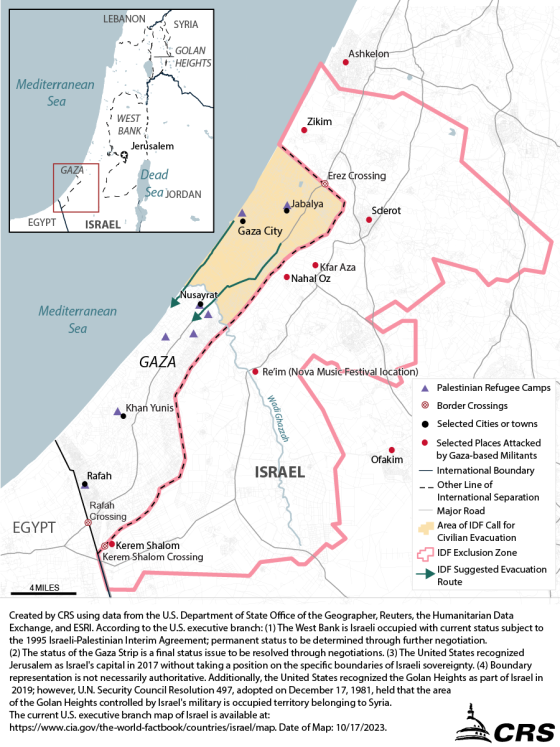
The U.S. and Israeli governments have proposed a Gaza Peace Plan that includes Hamas releasing all hostages, a move welcomed by some as a significant step toward resolving the conflict. U.S. President Donald Trump’s commitment to support Israel if Hamas rejects the plan is seen as critical to securing agreement on its 20-point framework. This writer believes such backing was essential for Israel’s participation.
The recent announcement of Gaza’s potential acceptance of the plan offers hope, alongside Israel’s preparations for hostage releases. However, as negotiations continue, the complexity of finalizing a lasting deal remains evident. U.S. Secretary of State Marco Rubio emphasized during recent interviews that current efforts focus on ending the Gaza conflict and freeing hostages, with a “permanent solution” requiring more time.
Rubio also highlighted the role of Iran, which he described as backing Hamas, a group long associated with anti-Israel rhetoric. Recent sanctions against Iran by the U.S. underscore concerns over its influence. Similarly, Hezbollah, not directly involved in Trump’s plan, is viewed as another Iranian proxy that could threaten Israel from Lebanon.
The article references historical negotiations, citing President Ronald Reagan’s approach of “trust but verify” to ensure compliance with agreements. It calls for intrusive verification measures to address Iran’s past failures and its alliances with entities threatening global stability. The piece concludes by stressing the need for rigorous oversight in any future accords involving Iran.