When the going gets tough, you find out who your real friends are. The United States and President Donald Trump have certainly found that out the last few days with Operation Epic Fury.
Spain announced it would not allow the U.S. to use its joint military bases at Rota and Moron for operations related to strikes against the Iranian terrorist regime. As a result, a number of U.S. aircraft left Spain.
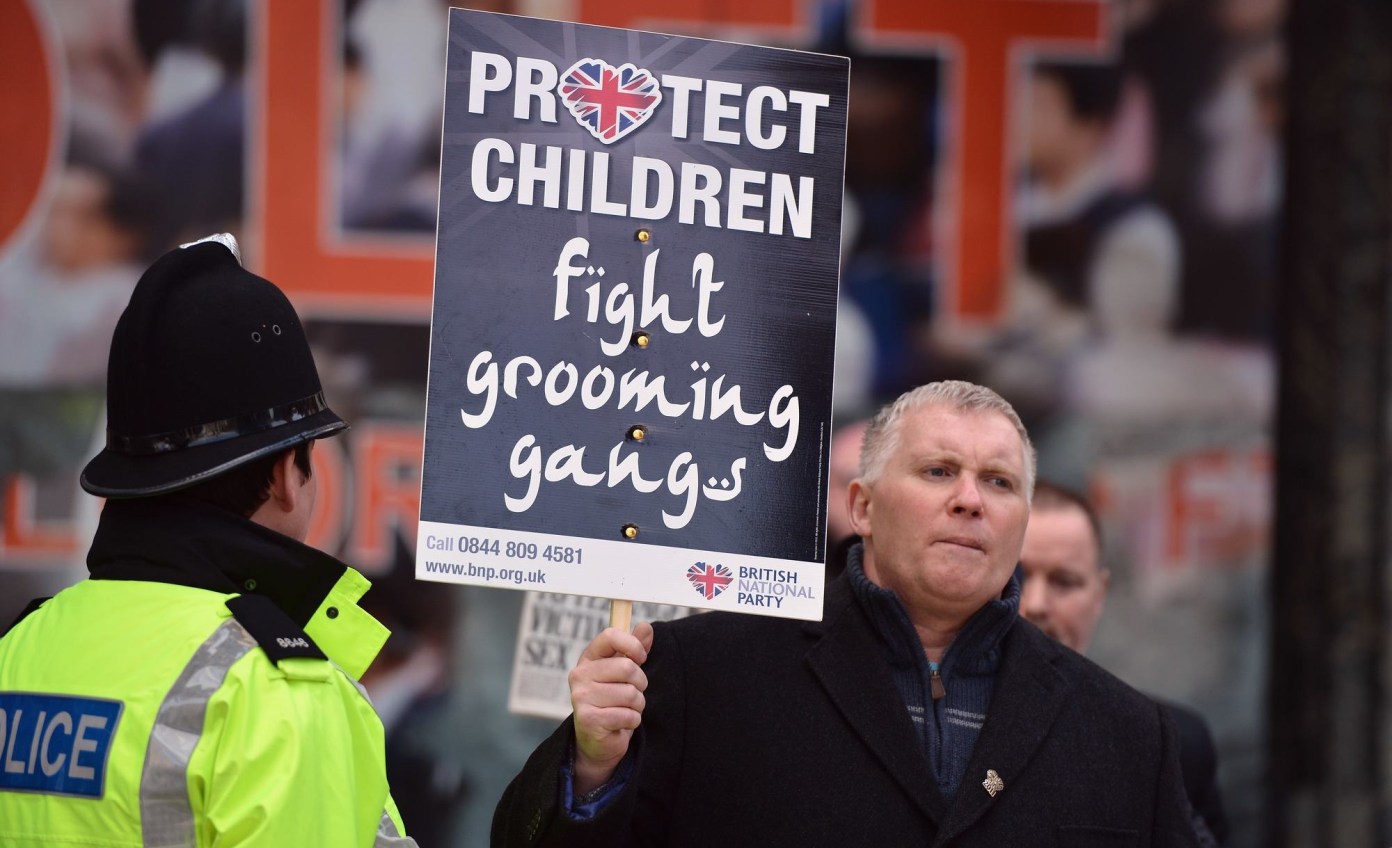
The United Kingdom refused to allow the U.S. to use British military bases RAF Fairford, Diego Garcia, and RAF Akrotiri in Cyprus for Operation Epic Fury.
The U.K. has now modified its position to allow the U.S. to use British bases solely for defensive purposes, namely, to strike at Iranian missile launchers.
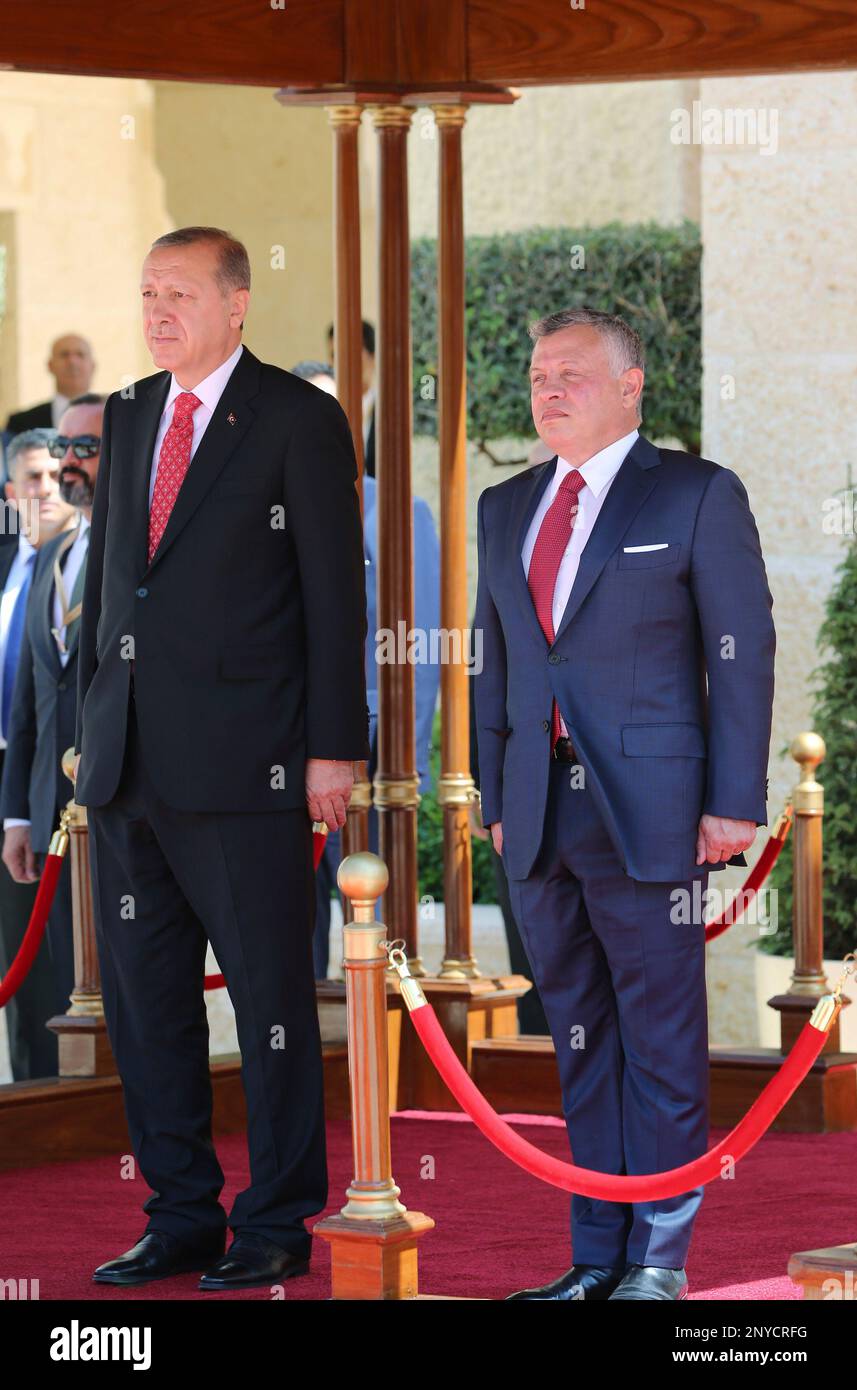
Turkish President Recep Tayyip Erdogan unbelievably said he was “saddened” by Ayatollah Khamenei’s death. Turkey is our most unreliable NATO ally and the Erdogan government actually harbors members of Hamas and has described Hamas terrorists as “resistance fighters.”
And at the beginning of Operation Epic Fury, French President Emmanuel Macron said that “The outbreak of war between the United States, Israel and Iran carries grave consequences for international peace and security. The ongoing escalation is dangerous for all. It must stop.”
I’m reminded of what one of my heroes, Gen. “Stormin’ Norman” Schwarzkopf, once said, “Going to war without France is like going hunting without an accordion.”
Jordan’s Muwaffaq Salti Air Base has long been a key hub for U.S. air power and operations in the Mideast and works closely with U.S. Central Command.
It plays a major role under the Defense Cooperation Agreement between the United States and Jordan.
The U.S. has sent dozens of attack aircraft to the Jordanian air base over the past month.
Recently, more than 60 fighter jets were at the base, three times the usual number of U.S. fighter aircraft.
When Operation Epic Fury began, did you see Jordan’s King Abdullah II hem and haw or engage in diplomatic double talk like the heads of state of other nations?
In fact, during a call with President Trump earlier this week, Abdullah II reaffirmed “Jordan’s absolute rejection of Iran’s attacks on its territory and on a number of countries in the region.”
I’m not surprised that the king has stood firm during Operation Epic Fury. Jordanian aircraft accompanied U.S. forces in striking Islamic State targets inside Syria during late December 2025.
In 2013, he called the Muslim Brotherhood “wolves in sheep’s clothing.”
In April of 2025, King Abdullah oversaw the banning of the Muslim Brotherhood.
And following the brutal murder of Muath al-Kasasbeh, the Jordanian fighter pilot who was captured and burned to death by ISIS, King Abdullah II said he would fight ISIS until Jordan ran “out of fuel and bullets.”
I first met Jordan’s current ruler many years ago when he commanded his nation’s Special forces and his father, the late King Hussein, was the country’s monarch.
He was educated in Jordan, England, and the United States.
King Hussein knew what he was doing when he named Abdullah the crown prince of Jordan just a few days before his death.
Abdullah had the backing of the Jordanian military and his wife is Palestinian.
Don’t forget, the Hashemite Kingdom of Jordan’s population is only thirty percent Hashemite. Of Jordan’s population 70% are Palestinian.
Abdullah was the one person who could hold Jordan together as a moderate voice in the Arab world.
King Hussein enjoyed a great relationship with American presidents.
He was a staunch anti-communist, worked with the U.S. to advance the Arab-Israeli peace process, and was a trusted ally.
His son, King Abdullah II, is carrying on that tradition with President Trump and has proven to be an ally we can count on.
By Van Hipp
Monday, 09 March 2026 07:53 AM EDT