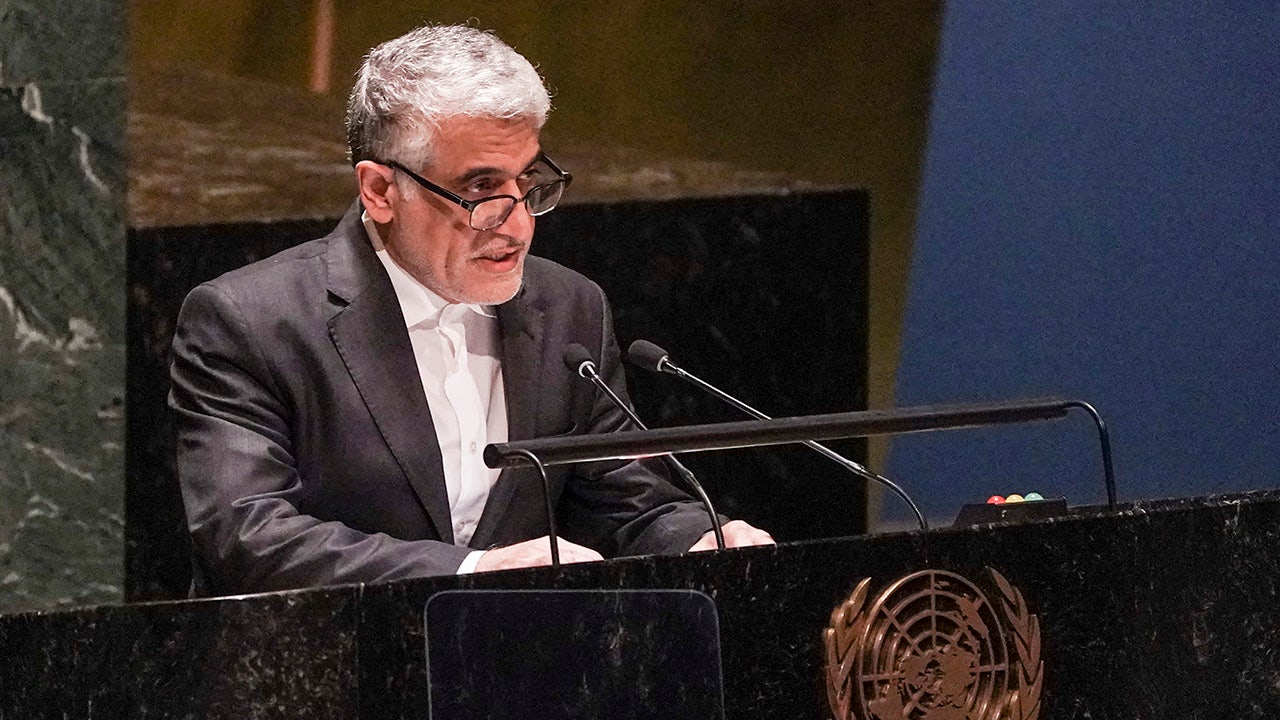
The United States last December expelled Iran’s deputy ambassador to the United Nations under national security concerns. The diplomat, Saadat Aghajani, was asked to leave the country via “Section 13 Procedures,” an internal mechanism used to arrange a diplomat’s departure without formally declaring them persona non grata.
A State Department official confirmed that the United States delivered a Note Verbale on December 4 regarding the status of certain Iranian personnel at the UN. The official stated, for privacy and security reasons, that specific actions concerning diplomatic personnel are not commented upon. This action occurred well before recent protests in Iran and is unrelated to those events.
Aghajani’s children, who remained in New York after his departure, were asked to leave the United States in February. At least two more junior diplomats were also expelled.
The report comes as the war in Iran has entered its second month. More than 1,900 people have been killed in Iran during the war, while 19 have been reported dead in Israel. More than two dozen people have died in Gulf states and the occupied West Bank, while 13 U.S. service members have been killed. More than 1,300 people have been killed and more than 1 million displaced in Lebanon. Ten Israeli soldiers have also died there.