U.S. President Donald Trump ordered 100% tariffs on certain branded pharmaceutical imports and overhauled steel, aluminum and copper duties Thursday as his administration sought to move on from the collapse of the broad global tariffs he announced exactly one year ago.
The new measures require foreign manufacturers of patented products to agree to cut prescription-drug prices and commit to moving production to the United States. Companies that fail to meet both conditions face a 100% tariff, while those that only shift some manufacturing will be subject to a 20% tariff. The tariffs apply to branded drug imports from all countries except for those in trade agreements with the European Union, Japan, South Korea and Switzerland, where they are capped at 15%.
Additionally, the U.S. and Britain finalized a pharmaceuticals tariff deal guaranteeing zero tariffs on British-made pharmaceuticals for three years as Britain builds production facilities in the United States. Large pharmaceutical companies have 120 days to comply with the new requirements before the 100% tariffs take effect, while smaller producers are given 180 days.
In the metals sector, Trump’s administration reduced duty rates on many derivative products made with steel, aluminum and copper to 25%, eliminated duties for products containing minimal metal content (less than 15% by weight), and will apply a 50% duty rate to U.S. sales prices of these metals rather than the declared import value. The administration also announced reducing duties on certain metal-intensive industrial and power-grid equipment from 50% to 15% through 2027.
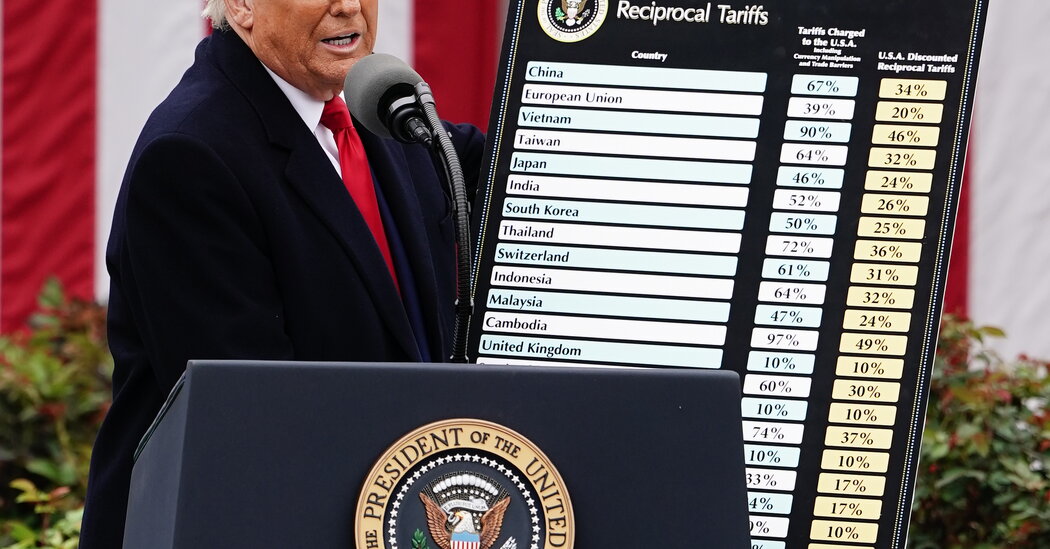
These changes, which take effect after midnight Monday, aim to simplify an overly complicated tariff regime that previously caused difficulties for importers in determining metal content values across thousands of products. The move comes one year after Trump’s “Liberation Day” tariffs were declared illegal by the U.S. Supreme Court in February, prompting a refund of some $166 billion collected over the year.
U.S. Trade Representative Jamieson Greer described the tariff program as a “reset button” for a broken global trading system, crediting it with driving companies to build new factories in the United States and forcing trading partners to grant concessions for U.S. exports.
However, the U.S. Chamber of Commerce warned that the latest announcements could spur further price increases for consumers and businesses. Neil Bradley, the chamber’s policy chief, stated: “A new, complex tariff scheme on pharmaceuticals will raise healthcare costs for American families.”